


Nexro Fund
How Analytical Review Strengthens Financial Learning with Nexro Fund
Sign up now
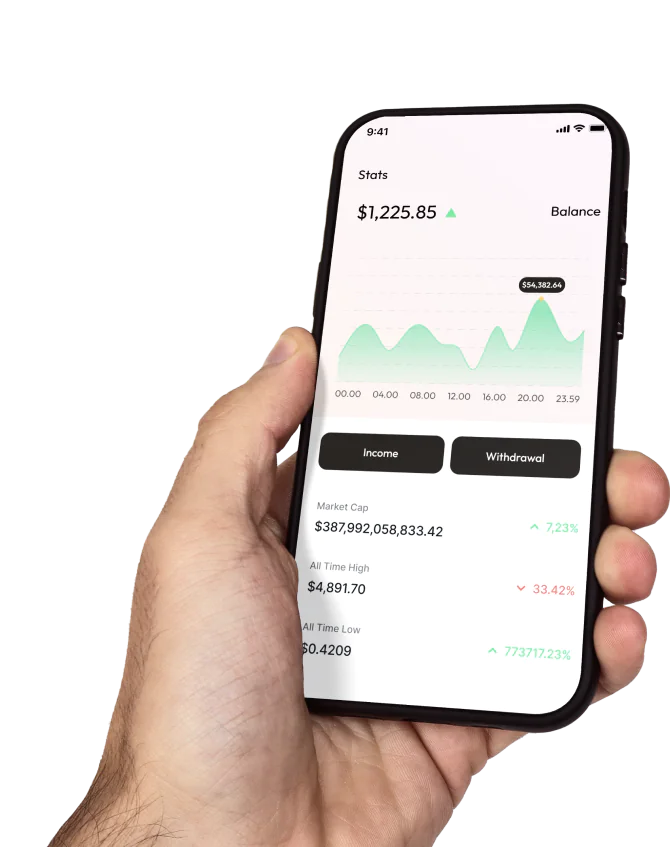
Structured analysis helps learners go beyond surface level observations of financial activity. Rather than reacting to individual movements, participants examine how institutions, market mechanisms, and asset behaviours interact. Nexro Fund connects learners with organisations where these analytical approaches are applied in practice, providing opportunities to study real world financial dynamics.
Exploring market structure and liquidity offers insight into how trades are executed and how different participants’ strategies shape price formation. Comparing short term fluctuations with long term trends enables learners to spot patterns that might otherwise be overlooked, helping them interpret decision making processes across diverse market actors.
Analytical methods also promote disciplined reasoning in financial learning. Evaluating multiple scenarios, considering risk factors, and understanding institutional behaviour allow learners to form structured interpretations of financial activity. This systematic approach reduces reliance on assumptions and encourages confident engagement with complex financial topics.
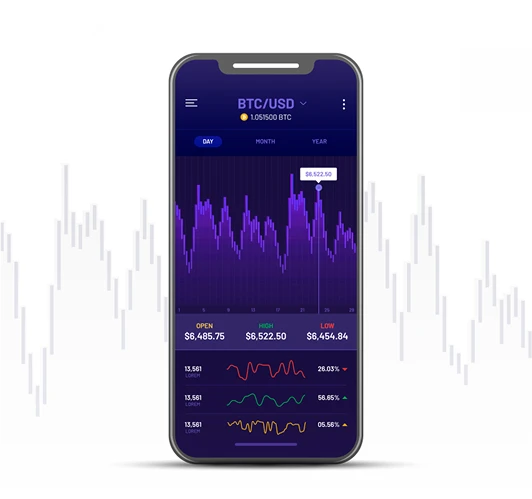
Nexro Fund links individuals to organisations that focus on financial analysis and learning frameworks. Instead of providing explanations directly, the site creates access to discussions where learners can explore analytical approaches.Through these connections, individuals may examine how financial systems operate, compare different methods of interpreting activity, and observe frameworks used to study market environments.

Many learners begin by noticing the frequent presence of financial information in discussions and reports. Without careful analysis, it can be challenging to interpret these topics accurately. Analytical thinking encourages a deliberate approach to financial content. Instead of reacting to surface level statements, individuals can examine how different components interact, compare perspectives, and evaluate ideas more thoroughly. This method supports a clearer understanding of financial behaviour over time.

Facilitating access to educational discussions helps individuals gradually build understanding. Rather than providing direct guidance, the site introduces learners to organisations where financial topics are explored in structured ways. This exposure allows learners to examine market behaviour, asset interactions, and decision making processes in a broader context.
Financial awareness grows progressively rather than all at once. Learners often start with simple discussions and gradually explore more complex topics. Over time, they notice how decisions, participant behaviour, and systemic interactions shape financial environments, allowing a more connected understanding of financial activity.

Nexro Fund acts as a bridge between learners and organisations that focus on financial education. Rather than providing direct explanations, it creates access to discussions that explore how financial systems operate. Through these interactions, individuals may examine research approaches, analytical frameworks, and various methods used to study market behaviour.
Financial awareness develops gradually as learners move beyond basic educational discussions. By exploring various financial topics, comparing perspectives, and engaging in independent research, individuals begin to see connections between different elements of financial systems. These experiences foster more thoughtful evaluation and confidence when interpreting financial information.
Reflection plays a key role in advancing financial learning. As individuals revisit discussions and analyse concepts in context, they start to recognise how financial ideas interrelate. This reflective process promotes a more structured understanding of financial environments and supports careful, patient consideration of complex topics.
Financial discussions draw on a variety of information channels, including research studies, market reports, and institutional analyses. Learners are encouraged to explore how these sources present data differently and how each perspective contributes to a more complete understanding of financial activity. Reviewing these sources carefully helps individuals build a more nuanced view of markets.
To gain meaningful insight, financial information must be examined in context. Educational discussions often explore how the same data can lead to different interpretations depending on methodology or perspective. By analysing these differences, learners develop skills to compare conclusions, consider alternative viewpoints, and evaluate how financial behaviour can vary under different conditions.
Financial topics are often interpreted in various ways depending on perspective and context. Educational discussions may showcase these differing viewpoints, allowing learners to compare interpretations and understand how assumptions, strategies, or analytical approaches shape the way financial environments are perceived.
While financial data and discussions offer insight, they cannot eliminate all uncertainty. Shifts in policy, unexpected economic developments, and structural changes within markets can influence outcomes. Learning environments emphasise recognising these limits, encouraging careful evaluation and informed reasoning. Cryptocurrency markets are highly volatile and losses may occur.
Exploring financial topics is typically a progressive journey. As learners engage with discussions, analyse data, and review diverse viewpoints, their comprehension expands steadily. This ongoing process gradually strengthens their ability to interpret financial information with more clarity and careful consideration.
Studying financial systems enables learners to see how financial environments function beyond individual events or isolated actions. These systems include institutions, market structures, regulations, and participants that operate within broader economic contexts. Recognising these relationships allows individuals to interpret financial activity with a wider perspective rather than focusing on standalone developments.
Educational discussions often highlight financial systems as interconnected frameworks. When learners understand how institutions function, how instruments are applied, and how economic conditions shape activity, it becomes easier to analyse financial topics in depth. This broader insight encourages more careful and structured evaluation of financial information.
Gaining an understanding of financial systems also promotes methodical financial learning. Rather than reacting impulsively to market discussions, individuals learn to examine how different elements interact and how mechanisms operate. This approach supports clearer evaluation while acknowledging that cryptocurrency markets are highly volatile and losses may occur.

Many people first engage with financial discussions after hearing confident statements from commentators or public figures. While these opinions can be compelling, they often focus on predictions rather than explaining underlying mechanisms. Within Nexro Fund, financial education takes a different approach. Learners are encouraged to analyse how institutions, market structures, and economic relationships shape financial activity.
This method shifts attention away from personalities and toward understanding systems. By focusing on evidence and structural analysis, learners can explore financial topics more independently, evaluating how financial environments function without relying on a single viewpoint.

Financial education helps individuals see how financial environments operate through the interplay of institutions, regulations, and economic processes. These factors shape activity across markets and industries. By analysing how these components interact, learners gain insight into why financial outcomes occur in particular ways.
Educational discussions provide frameworks for examining financial topics systematically. Learners may investigate how institutions manage resources, how policies affect financial environments, and how various instruments function within these systems. This structured approach promotes clearer understanding of financial mechanisms.
Even in depth study of financial concepts cannot fully eliminate uncertainty within financial systems. Market activity can be influenced unexpectedly by policy decisions, global events, or economic shifts. For this reason, financial education stresses measured interpretation and awareness of these inherent limits.
Financial understanding grows over time through consistent study and thoughtful reflection. Learners are encouraged to revisit earlier discussions, compare ideas, and consider how different components of financial systems interconnect. This reflective process supports a more considered perspective while recognising that cryptocurrency markets are highly volatile and losses may occur.
Financial topics become easier to grasp when ideas are organised into clear frameworks. Structured learning helps individuals examine the interactions between different elements within financial environments. Rather than viewing discussions as fragmented pieces, learners start connecting ideas into meaningful patterns.
Organising knowledge allows learners to explore how financial structures, market mechanisms, and institutional processes work together. Educational discussions highlight these connections, supporting a more comprehensive interpretation of financial environments and their dynamics.
By arranging information systematically, individuals can approach financial topics with increased awareness. Comparing and analysing how various financial elements interconnect within broader systems fosters thoughtful evaluation and encourages a more effective interpretation of financial information.

Understanding financial information benefits from a careful and organised approach. Financial discussions often present multiple interpretations and analyses of activity within markets. Learners gradually build the ability to examine these viewpoints step by step, allowing them to see how different components within financial systems influence one another.
Methodical analysis also highlights the significance of context in financial interpretation. Factors such as policy frameworks, institutional participation, and structural market behaviours shape how financial environments evolve. Learners are encouraged to assess how these elements interact to develop a more nuanced perspective of financial systems.
By adopting this process, learners develop stronger awareness when evaluating financial topics. Instead of forming immediate conclusions, individuals begin asking questions, comparing scenarios, and interpreting information carefully. This reflective approach supports a deeper understanding while recognising that cryptocurrency markets are highly volatile and losses may occur.

Nexro Fund serves as a bridge between individuals interested in investment learning and organisations that provide structured financial discussions. Rather than offering direct instruction, the site focuses on creating access to educational spaces where financial topics are explored in depth.
Through these connections, learners can engage with discussions on how financial systems function, how economic changes influence market activity, and how various financial concepts are analysed and interpreted.
The primary role ofNexro Fund is to introduce learners to these learning environments. This allows individuals to explore financial education at their own pace, promoting independent understanding while recognising that cryptocurrency markets are highly volatile and losses may occur.

Financial systems progress through distinct phases as economic conditions and participant activity shift. Some stages show growth and stability, while others highlight corrections or consolidation.
Educational discussions examine how these phases influence overall market behaviour, helping learners understand that financial environments are dynamic and continually adjusting.

Market cycles illustrate how financial institutions, economic activity, and broader global factors interact over time. Learning discussions explore how different sectors and participants respond to these phases, allowing learners to interpret patterns of expansion, stability, or contraction. This perspective provides a structured approach to understanding financial behaviour across varying conditions.
Financial systems continuously adapt as economic, industrial, and institutional circumstances evolve. Changes in regulatory frameworks, capital allocation, and global trade can shape how financial environments function over time. Analysing these adaptations allows learners to understand how financial mechanisms adjust to varying conditions and maintain stability across different phases.
While market cycles provide a useful framework for interpreting financial activity, they cannot fully predict outcomes. Sudden changes in institutional behaviour, asset flows, or global economic patterns may alter expected trends. Consequently, educational discussions emphasise evaluating cycles with caution, highlighting the importance of scenario based thinking and risk awareness while recognising that cryptocurrency markets are highly volatile and losses may occur.
Reflecting on past financial cycles allows learners to connect observed patterns with broader system behaviour. By analysing how institutions, liquidity, and market participants influenced activity during different phases, individuals develop a more nuanced perspective on financial environments. Over time, this reflective approach fosters deeper understanding and supports more structured interpretation of evolving financial systems.
Participants in financial systems often adjust their behaviour as environments progress through various phases. Periods of expansion, contraction, or realignment can affect decision making, liquidity usage, and risk approaches.
Educational discussions explore how these behavioural changes emerge across different stages of financial activity, allowing learners to interpret financial systems as dynamic processes that evolve over time rather than as static structures.
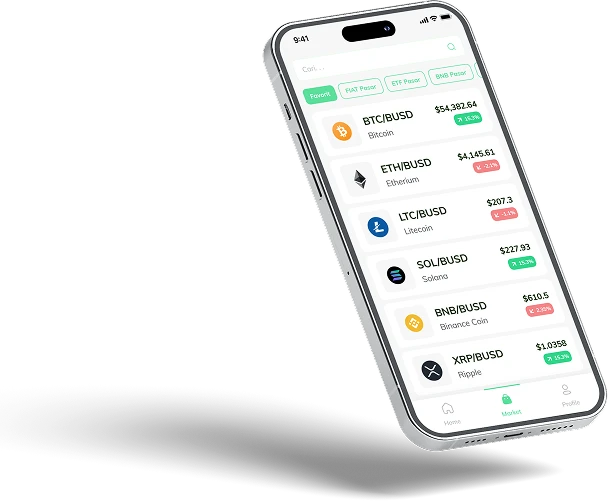
Financial markets often adjust when international developments impact economic activity. Shifts in trade policies, geopolitical events, or global economic trends can influence market behaviour, participant decisions, and expectations about future financial conditions.
Financial education allows individuals to explore how systems operate and how various factors shape financial activity. Discussions may focus on economic frameworks, institutional roles, and market structures, helping learners interpret financial environments with greater insight.
Economic conditions shape the way financial systems function and how activity evolves. Trends in employment, production, or monetary policy can influence broader financial behaviour. Analysing these conditions provides context for understanding why financial environments develop in specific ways.
| 🤖 Entry Fee | No entrance fee |
| 💰 Incurred Costs | Free of any charges |
| 📋 Process of Joining | Registration is streamlined and fast |
| 📊 Subjects Covered | Education on Crypto assets, Forex markets, and Investment strategies |
| 🌎 Eligible Countries | Almost all countries are supported except the US |
